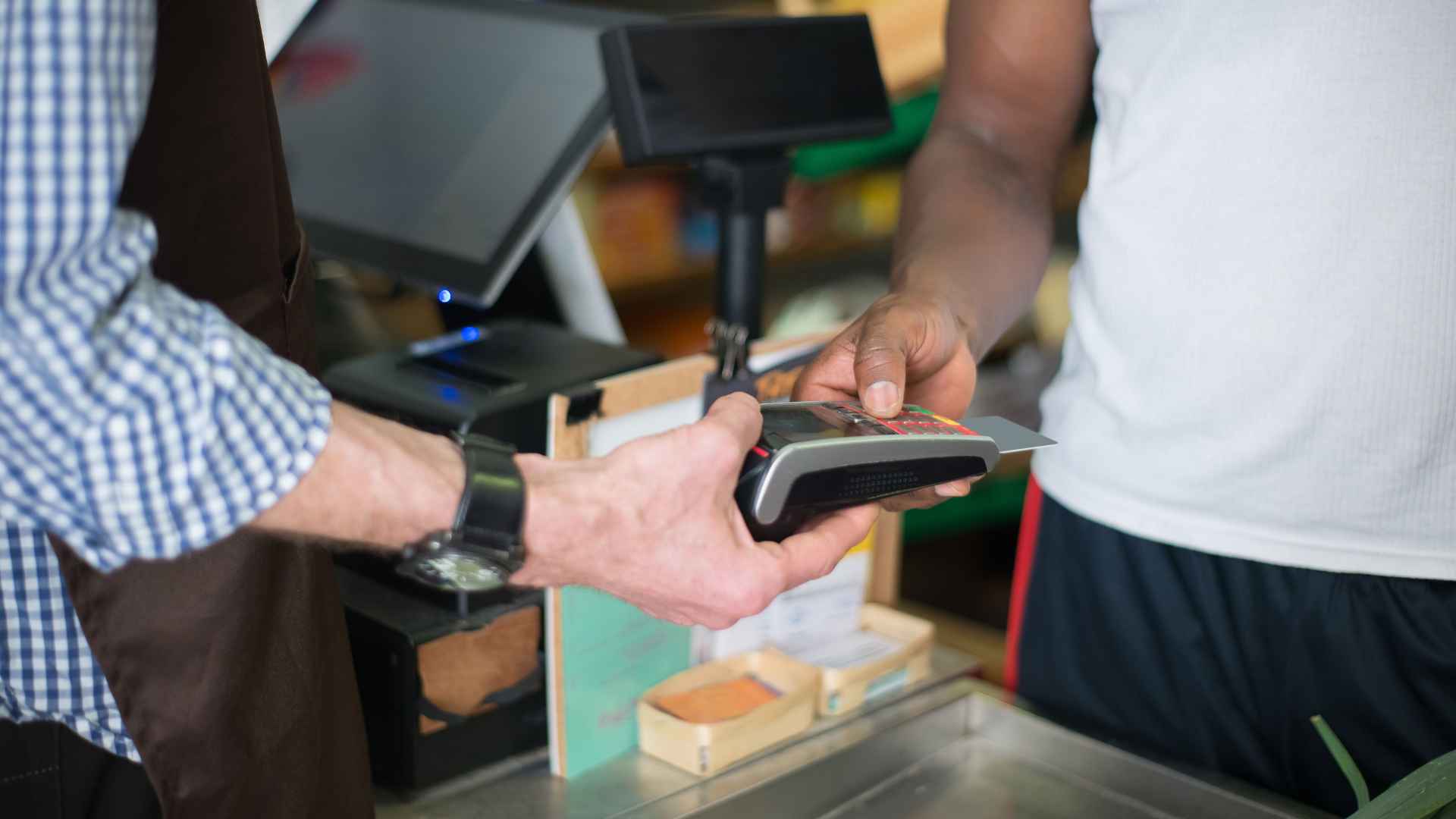
Modern range technology improves daily operations by connecting reservations, customer records, memberships, retail transactions, waivers, rentals, billing, and reporting. The right shooting range software gives employees one place to manage the customer journey while giving owners a clearer view of the business. For ranges with a firearm retail store, that connection can reduce duplicate work and create faster, more consistent service.
Trident 1 helps firearm retailers and ranges bring these moving parts together. The goal is simple: spend less time managing disconnected systems and more time serving customers.
What does a modern range management platform do?
A modern range management platform connects online booking, customer check-in, lane assignments, memberships, rental requests, liability waivers, sales, billing, and reporting.
Basic scheduling tools only show lane availability. A complete platform also shows whether a customer has a current waiver, receives a membership discount, requested a rental, or added ammunition and targets to the reservation.
Range management platform: A connected system used to manage customers, lanes, reservations, memberships, sales, waivers, rentals, and reporting.
The best platform supports the entire visit, not just the calendar.
How does connected technology speed up customer check-in?
Connected technology speeds up check-in by placing the customer’s reservation, membership status, rental details, requested products, and waiver information in one record.
Lines grow when employees must search several systems to verify a booking, confirm a discount, review a waiver, and rebuild the order. A shared workflow lets staff confirm the visit and move the customer toward the lane faster.
Range safety officers can also see scheduled activity and prepare for expected traffic.
Faster check-in gives employees more time for clear communication, safety procedures, and personal service.
How can online lane booking improve the customer experience?
Online lane booking lets customers reserve a time and request related items before arriving. When the booking tool connects with the range calendar and point of sale, employees do not need to re-enter the same information.
A customer may reserve a lane and request ammunition, targets, hearing protection, or a firearm rental. Staff can review those selections early and prepare the order before the visit.
Connected booking also reduces phone calls, manual calendar updates, and scheduling errors.
The customer gains convenience, while the range gains better visibility into upcoming demand.
Why are shared customer records important?
Shared customer records matter because one person may interact with several parts of the business during one visit. A customer may reserve a lane, use a membership discount, rent a firearm, buy ammunition, sign a waiver, and shop in the retail store.
When departments use separate databases, the same customer may appear in several records. That can lead to repeated data entry, missed discounts, incomplete histories, and inconsistent information.
A single profile gives authorized employees a clearer view of the customer relationship.
Daniel Peterson of Trident 1 summarized this during the Trigger Point podcast: “It is the same customer performing two different actions, and that should not require two separate systems.”
One customer should remain one customer across the range and retail operation.
Why does flexible membership management matter?
Flexible membership management matters because memberships can create recurring revenue, encourage repeat visits, and strengthen customer loyalty.
One range may offer reduced lane fees. Another may include priority booking, product discounts, guest passes, rental benefits, training discounts, or exclusive events. Billing may be monthly, annual, or tiered.
The system should support these choices instead of forcing the business into a fixed structure.
A strong membership tool should manage enrollment, billing, benefits, renewals, and reporting. Employees should also be able to confirm benefits at the point of service.
As Peterson said, “It never feels good when a service provider tells you how you have to run your business.”
The technology should fit the membership model, not dictate it.
Why is efficient range management becoming more important?
Efficient range management is becoming more important because shooting-sports participation has grown, placing more pressure on check-in, lane availability, staffing, memberships, and retail service.
According to the National Shooting Sports Foundation’s Firearm Ownership and Sport Shooting Participation Survey, adult sport-shooting participation increased from 34 million people in 2009 to more than 63.5 million in 2022.
More customers create more opportunity, but they also increase the need for organized workflows. A connected platform helps employees see what is scheduled, what customers requested, and which resources are available.
Good systems help ranges prepare for demand instead of reacting after lines begin to form.
How can technology improve liability-waiver workflows?
Technology improves waiver workflows by showing whether a customer has a current signed waiver before range access is approved.
A real-time alert can identify a missing or expired document while the customer is still at the counter. Without that connection, employees may need to leave the main platform and search another database.
An integrated workflow keeps waiver status visible during check-in. When an update is needed, staff can direct the customer to complete it before proceeding.
No platform eliminates liability or replaces legal advice, insurance, employee training, or established safety procedures. It can help the business apply its documentation process more consistently.
Employees should not have to guess whether a required waiver is current.
How does one platform reduce training and mistakes?
One platform reduces training because employees learn one interface instead of separate systems for sales, scheduling, memberships, waivers, rentals, and reporting.
Fewer systems mean fewer logins, menus, support contacts, and conflicting workflows. Staff can focus on learning the business process rather than memorizing several programs.
Consolidation can also reduce duplicate profiles, missed membership benefits, overlooked reservation details, and repeated data entry.
Jake Newbold of Trident 1 noted that some customers came to Trident 1 after using “two, three, or even four different software platforms.”
Each additional system adds cost and complexity. Simpler workflows help employees work with more confidence and consistency.
How does consolidated reporting improve business decisions?
Consolidated reporting improves decisions by bringing sales, lane usage, reservations, memberships, and customer activity into one view.
A range operator should be able to answer practical questions:
- Which hours have the highest lane demand?
- Which memberships perform best?
- How much revenue comes from lanes, rentals, retail sales, and recurring billing?
- Which add-on products sell most often?
Disconnected systems make those answers harder to trust because each platform may use different records and categories.
One platform reduces manual reconciliation and gives managers a clearer basis for staffing, pricing, scheduling, inventory, and membership decisions.
Better reporting does not guarantee better performance, but it gives the business a more accurate view of what is happening.
How can an integrated platform support FFL compliance?
An integrated platform can support FFL compliance by connecting point-of-sale activity with acquisition and disposition records, background-check workflows, inventory activity, and ATF Form 4473 processes.
The ATF Federal Firearms Licensee Quick Reference and Best Practices Guide states that an FFL must obtain a completed Form 4473 for each applicable firearm transfer to a non-licensee and ensure that it is completed correctly.
The Federal Bureau of Investigation’s NICS resource explains how the National Instant Criminal Background Check System supports required firearm background checks.
These responsibilities make system design important. Range functions should not interfere with required firearm transaction records, and employees should have access to the right tools for their roles.
Trident 1 connects retail, range, and compliance workflows in one platform. Technology can support compliance, but every FFL remains responsible for current federal, state, and local requirements.
How can integrated technology support retail sales?
Integrated technology supports retail sales by connecting range activity with the products and services customers may need during the same visit.
A customer who reserves a lane may also need ammunition, targets, eye protection, hearing protection, a firearm rental, training, or a membership upgrade.
When those needs are visible in the same workflow, employees can provide more complete service without moving between systems.
This is not about pushing unnecessary products. It is about helping the customer prepare for the visit.
Staff may also be able to prepare requested items in advance, reducing counter time and making the visit feel more organized.
How can consolidation reduce operating costs?
Consolidation can reduce operating costs by limiting the number of subscriptions, middleware products, support agreements, and training programs a range must maintain.
Some businesses use one system for point of sale, another for scheduling, another for memberships, and another for waivers. Businesses with a restaurant, café, or club area may use even more.
The direct subscription fees are only part of the cost. Employees also spend time reconciling transactions, correcting records, switching between systems, and contacting multiple vendors.
Actual savings depend on the business, current contracts, and required features. Range operators should compare both software expenses and the labor created by disconnected tools.
Every additional system should provide enough value to justify the complexity it adds.
What features should a range evaluate?
A range should evaluate whether a platform can support its complete operation today and adapt as the business grows.
Important capabilities may include:
- Lane reservations and online booking
- Customer check-in and lane assignments
- Shared customer records
- Membership management and recurring billing
- Firearm rental tracking
- Ammunition and target sales
- Liability-waiver integrations
- Point-of-sale and inventory tools
- Employee permissions
- Financial and operational reporting
- Multi-location support
- FFL compliance tools
Ranges with firearm retail operations should also evaluate electronic A&D records, Form 4473 workflows, background-check support, audit trails, and inventory connections.
A long feature list means little if employees cannot use the platform efficiently. Operators should also consider onboarding, data migration, support, reliability, and ease of use.
The best platform should fit the business rather than force it into a limited workflow.
How does Trident 1 improve operations and customer service?
Trident 1 improves operations and customer service by connecting retail point of sale, range scheduling, customer profiles, memberships, online booking, waivers, billing, compliance tools, and reporting.
Employees can manage more of the customer visit without switching between disconnected programs. Managers gain clearer records. Customers face fewer repeated questions and less friction between the range and retail sides of the business.
The Trident 1 approach is simple: one customer, one connected workflow, and one platform designed for firearm retailers and ranges.
Trident 1 gives operators the flexibility to configure memberships, manage lanes, prepare orders, verify records, and serve customers according to their own business model.
For a busy range, every avoided handoff matters.
What can you learn from the full Trigger Point episode?
The full Trigger Point episode gives range owners and firearm retailers a practical look at how connected technology affects check-ins, bookings, memberships, reporting, waivers, retail sales, training, and compliance workflows. Kevin Wosmansky, Jake Newbold, and Daniel Peterson explain the problems created by disconnected systems and how Trident 1 approaches consolidation. Watch the full episode on YouTube to hear the complete discussion and learn why the right shooting range software can improve both business operations and customer service.
Frequently Asked Questions
What is the difference between booking software and a range management platform?
Booking software mainly manages reservation times and lane availability. A range management platform supports broader operations, including check-in, customer records, memberships, billing, waivers, rentals, retail transactions, and reporting.
Can customers reserve lanes and products at the same time?
Yes, when online booking connects with the point of sale. Customers may reserve a lane and request ammunition, targets, protective equipment, or firearm rentals before arriving.
Can one customer profile cover range and retail activity?
Yes. A connected platform can maintain one customer record across reservations, memberships, purchases, rentals, discounts, and waiver status.
How does range technology help manage memberships?
Range technology can manage enrollment, billing, renewals, benefits, discounts, and usage. Flexible systems allow the business to create plans based on its own pricing and services.
Can a platform verify whether a liability waiver is current?
A waiver integration can show whether a customer has a current signed document and alert employees when it is missing or expired. The range must still follow its own legal and safety procedures.
Does an integrated platform reduce operating expenses?
It may reduce separate subscription, middleware, support, and training expenses. Actual savings depend on the systems being replaced, required features, and the size of the operation.
What compliance tools should an FFL range consider?
An FFL range should consider electronic A&D records, Form 4473 workflows, background-check support, inventory controls, audit trails, employee permissions, and record-retention capabilities.
Can Trident 1 manage both retail and range operations?
Trident 1 connects point of sale, customer records, memberships, range scheduling, online reservations, waiver integrations, reporting, billing, and firearm compliance workflows in one platform.